Sprinkler System Diagnosis in Pearland, TX
Use the homepage contact form to request a quote.
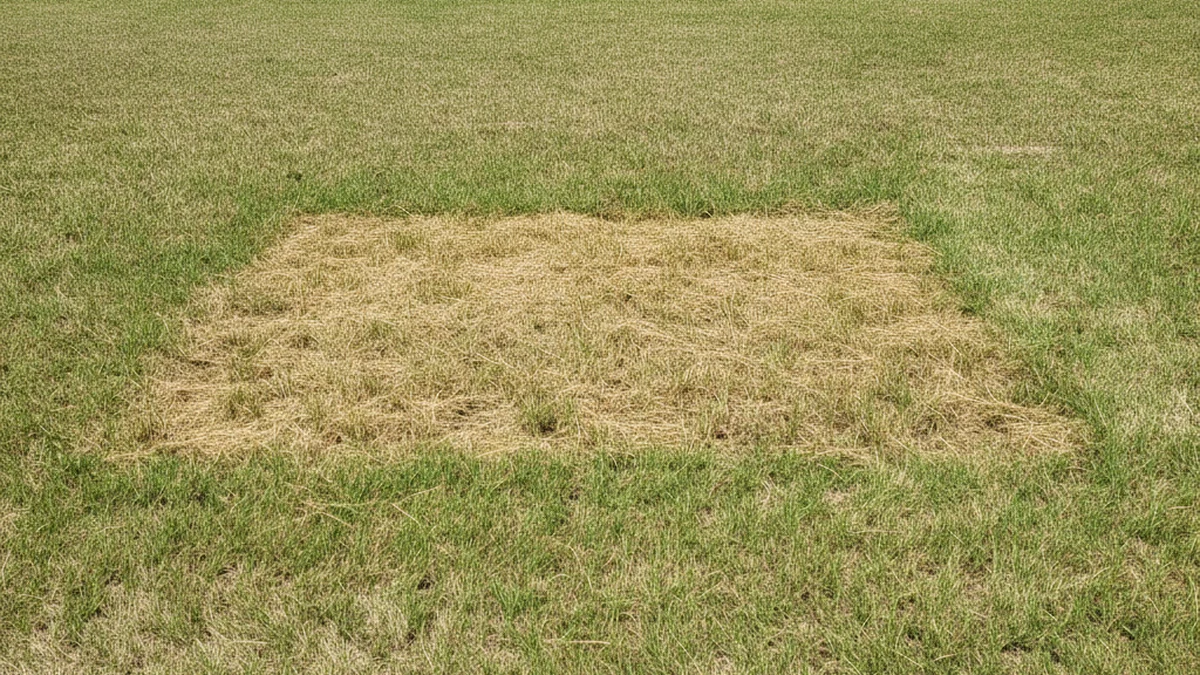
Sprinkler repair often starts with a symptom: a brown patch, a zone that will not run, water pooling in the wrong place. Finding out what is causing it is the actual job. Carlos diagnoses irrigation systems in Pearland and Brazoria County by running every zone, walking every coverage pattern, and identifying the root cause - not just the visible failure.
The distinction matters. A dead zone in Pearland could be a broken head, a failed valve solenoid, a cracked lateral line from clay soil movement, a corroded wire connection, or a controller programming error. Replacing the first thing that looks wrong without proper diagnosis means the problem comes back - usually within a season.
What a Proper Diagnosis Looks Like
Zone-by-zone activation. Every zone is activated at the controller and observed running. Response time, water pressure at heads, and zone shut-off behavior are all informative at this stage.
Physical coverage walk. Carlos walks the coverage pattern of each active zone - checking head arcs, radius, and whether the coverage matches what the zone is supposed to cover. Brown patches often have a specific location relative to a head that has sunken, drifted, or is clogged.
Head inspection. Every head in affected zones is inspected physically - checking for cracks, clogged nozzles, settled grade, or arc adjustment that has drifted. Pearland's clay soil sinks heads gradually below mowing grade - it is one of the most common causes of dry patches in Brazoria County lawns.
Valve testing. For zones that will not activate or will not shut off, Carlos tests the solenoid, checks the diaphragm condition, and checks wiring continuity from the controller to the valve.
Lateral line pressure check. Low coverage in part of a zone without visible head damage often indicates a pressure issue in the lateral line - crack, partial blockage, or a fitting failure from clay soil movement.
Controller assessment. Programming errors, zone output failures, and wiring connection issues at the controller panel are checked as part of a full diagnosis.
Pearland-Specific Failure Patterns
Carlos has been diagnosing irrigation systems in Brazoria County clay for five years. The failure patterns he sees repeatedly:
Clay soil head sinkage. Brazoria County's heavy clay expands and contracts seasonally. Heads set at correct grade during installation gradually sink below grade as the soil moves around them. A head at -1/2 inch is still running but getting mowed over - the nozzle is damaged and coverage drops.
Lateral line stress cracks. The same soil movement that sinks heads bends and stresses PVC lateral lines at fittings. Hairline cracks appear where the soil has moved the pipe relative to a fixed fitting. The zone still runs at reduced pressure - visible as partial dead zones.
Post-flood valve and wiring damage. Homes that flooded during Harvey or Imelda often have valve boxes that filled with debris. Solenoid plungers corrode, wiring connections oxidize, and diaphragms stiffen from prolonged moisture exposure. The system works intermittently for a year and then starts failing systematically. Carlos knows this pattern and works through it specifically on post-flood systems.
Pricing for Diagnosis
Request an estimate Request a Free Estimate.
- System diagnostic visit: $65-$95 credited toward same-visit repair
- Full system assessment (all zones): included in diagnostic
- Post-flood full assessment: priced as part of flood damage scope - request an estimate for quote
Diagnosis FAQs
Why does the dead zone fix keep coming back every season?
Almost always because the root cause was not addressed - the repair fixed the symptom. A solenoid swap on a valve whose diaphragm is also failing will need another repair within a season. A head replacement on a zone with a slow crack in the lateral line will show partial dead patches again. Carlos finds the actual cause and fixes it.
How long does a full system diagnosis take?
45-90 minutes for a standard residential system. Larger properties or those with more complex zoning take longer. Carlos gives a realistic time estimate when he calls to schedule.
More local sprinkler repair help
Request a Free Estimate or use the homepage contact form.